

Outdoor flood lights are designed to illuminate wide spaces such as building perimeters, driveways, car parks, loading zones, and security areas. When choosing the right outdoor flood light, lumen output is the most important specification because it determines how bright the light will be across the area being illuminated.
The number of lumens required depends on several factors including the size of the outdoor space, the mounting height of the light, and the purpose of the lighting. A small residential area may only require a modest level of brightness, while large commercial areas or security lighting installations often require significantly higher lumen output to deliver effective coverage.
Understanding how lumens work helps ensure outdoor lighting delivers the right level of visibility without excessive brightness or wasted energy.
Understanding Lumens In Commercial Lighting
Lumens measure the total amount of visible light produced by a light source. In modern LED lighting, lumen output is the primary indicator of brightness.
Historically, many people associated brightness with wattage because older light bulbs such as incandescent and halogen lamps consumed more energy to produce more light. However, wattage only measures power consumption, not actual brightness.
LED lighting changed this relationship. An LED floodlight can produce significantly higher lumen output while consuming far less energy than traditional halogen bulbs. This is why modern lighting specifications focus on lumens rather than watts.
For example, an older halogen bulb flood light may consume a large amount of power while producing relatively limited brightness, whereas an LED flood light can generate the same or greater illumination while remaining energy efficient and reducing operating costs.
For contractors and lighting designers, lumen output is therefore the key specification used to determine whether a flood light is suitable for a particular outdoor lighting application.
Outdoor Floodlight Lumens Guide
Different outdoor spaces require different levels of brightness. A floodlight brightness guide helps determine the typical lumen ranges suitable for common outdoor applications.
Small outdoor areas generally require modest lumen output, while large spaces or security lighting installations require significantly higher lumen levels.
Typical ranges for outdoor flood lights include:
- Around 700 lumens for small outdoor spaces such as pathways or small patios
- 1,000 to 3,000 lumens for driveways, gardens, and general outdoor lighting
- 3,000 to 7,000 lumens for security lighting and large residential areas
- 7,000 lumens and above for commercial floodlights used in large outdoor spaces
These ranges provide a general starting point, but the correct lumen level will also depend on factors such as mounting height, beam angle, and the size of the area being illuminated.
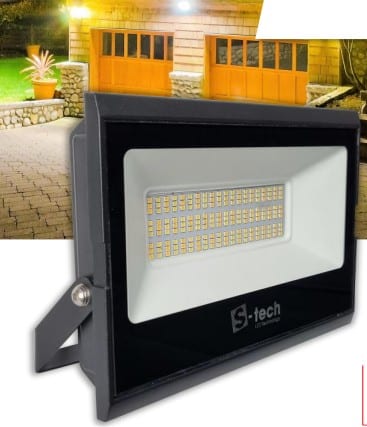
How Many Lumens Are Suitable For General Outdoor Areas
For general outdoor spaces such as patios, driveways, walkways, and gardens, moderate brightness is usually sufficient. The goal of outdoor lighting in these areas is to improve visibility and safety without producing excessive glare.
In many residential environments, flood lights between roughly 1,000 and 3,000 lumens provide effective illumination for common outdoor areas. This level of brightness allows people to safely move around outdoor spaces while maintaining comfortable lighting conditions.
A wider beam angle is often used in these situations to spread light across pathways or open areas rather than concentrating brightness in a narrow zone.
General outdoor lighting also benefits from energy efficient LED floodlights, which provide strong lumen output while reducing electricity consumption compared with older light bulbs.
Lumens For Security Lighting
Security lighting typically requires higher lumen output than general outdoor lighting. The purpose of security lighting is to clearly illuminate building perimeters, entry points, and potential access areas so that activity around a property is easily visible.
Flood lights used for security lighting are commonly paired with a motion sensor. When motion is detected, the outdoor flood light activates and produces a sudden increase in brightness, helping deter unwanted activity.
For effective security lighting, many installations use flood lights producing 3,000 to 7,000 lumens or more depending on the size of the space. This level of brightness ensures clear visibility around garages, entrances, and property boundaries.
However, the positioning and beam angle of the flood light are just as important as lumen output. Properly positioned lighting helps eliminate dark areas while avoiding excessive glare that can reduce visibility.
Are Higher Lumens Always Better For Security Lighting
Higher lumen output does not automatically mean better lighting performance.
Excessively bright flood lights can create glare or harsh shadows that reduce visibility rather than improving it. Very high brightness levels can also produce uncomfortable lighting conditions in residential environments.
Effective security lighting depends on several factors working together:
- appropriate lumen output
- correct beam angle
- suitable mounting height
- proper positioning of the flood light
When these factors are balanced correctly, the lighting will provide strong visibility across the outdoor area without unnecessary glare.
Lumens For Commercial Floodlights
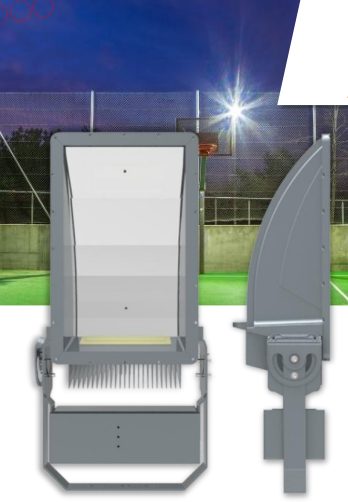
Commercial floodlights are typically used in much larger outdoor spaces where higher brightness levels are required to maintain safe visibility.
Common applications include:
- parking lots
- warehouses and loading docks
- building exteriors
- construction sites
- industrial yards
In these environments, flood lights are often mounted higher and must illuminate large areas. As a result, commercial lighting installations typically require significantly higher lumen output than residential lighting.
Commercial flood lights may range from 7,000 lumens to well over 20,000 lumens, depending on the size of the area and the mounting height of the fittings.
Reliable performance is critical in these applications. Commercial grade LED floodlights supplied by S-tech are designed to deliver consistent lumen output and durable performance for contractors installing lighting across large outdoor spaces.
Does Mounting Height Change The Lumen Requirement
Mounting height plays a major role in determining the lumen output required for an outdoor flood light.
When a light is mounted higher above the ground, the light spreads over a larger area before reaching the surface below. This reduces the brightness at ground level unless the fitting produces sufficient lumen output.
As mounting height increases, higher lumen output is usually required to maintain the same level of illumination. Beam angle also becomes important, as it determines how widely the light is distributed across the outdoor space.
For example:
- Lower mounted flood lights may require fewer lumens because the light is concentrated closer to the ground
- Higher mounted flood lights often require higher lumen output to maintain adequate brightness across large areas
Proper lighting design considers both lumen output and mounting height to ensure consistent illumination.
Do Lumens Or Watts Matter More For LED Floodlights
For LED floodlights, lumens are far more important than watts when determining brightness.
Watts measure how much electricity a light consumes, while lumens measure how much light it produces. Because LED technology is highly energy efficient, an LED flood light can produce high lumen output while consuming relatively low wattage.
This is one of the main reasons LED lighting has largely replaced older halogen bulb flood lights. LEDs deliver higher lumen output while reducing energy consumption and operating costs.
When comparing outdoor flood lights, the most useful specification is therefore the lumen output rather than the wattage.
Choosing The Right Outdoor Flood Light
Selecting the right outdoor flood light involves more than simply choosing the highest lumen output available. The correct brightness depends on the application and the physical characteristics of the space being illuminated.
Important factors to consider include:
- the size of the outdoor space
- whether the lighting is for general outdoor use or security lighting
- the mounting height of the fitting
- the beam angle of the flood light
- the colour temperature required for visibility and comfort
Modern LED flood lights allow installers to achieve strong illumination while remaining energy efficient and reducing long term operating costs.
S-tech supplies commercial grade LED flood lights designed for contractors working across a wide range of outdoor lighting applications. These fittings are engineered to deliver reliable lumen output, durable performance, and efficient operation for outdoor lighting installations.
Frequently Asked Questions
Do lumens or watts matter more for LED floodlights?
Lumens are the most important measurement because they indicate how bright a light will be. Watts only measure energy consumption. With LED lighting, a lower wattage fitting can still produce high lumen output while remaining energy efficient.
How many lumens are suitable for general outdoor areas?
Many general outdoor spaces such as driveways, walkways, and patios use flood lights between roughly 1,000 and 3,000 lumens. The exact requirement depends on the size of the space and the beam angle of the fitting.
How many lumens are needed for commercial or industrial spaces?
Commercial and industrial spaces often require significantly higher brightness levels due to their size and mounting height. Flood lights used in large areas such as parking lots or loading bays commonly range from around 7,000 lumens to well above 20,000 lumens.
Does mounting height change the lumen requirement?
Ye, mounting height affects lumens. When a flood light is mounted higher, the light spreads over a larger area before reaching the ground. This usually means higher lumen output is required to maintain the same level of illumination.
Are higher lumens always better for security lighting?
Higher lumens are not always better for security lighting and that is because excessive brightness can create glare or harsh shadows that reduce visibility. Effective security lighting combines the correct lumen output with proper positioning, beam angle, and mounting height.