
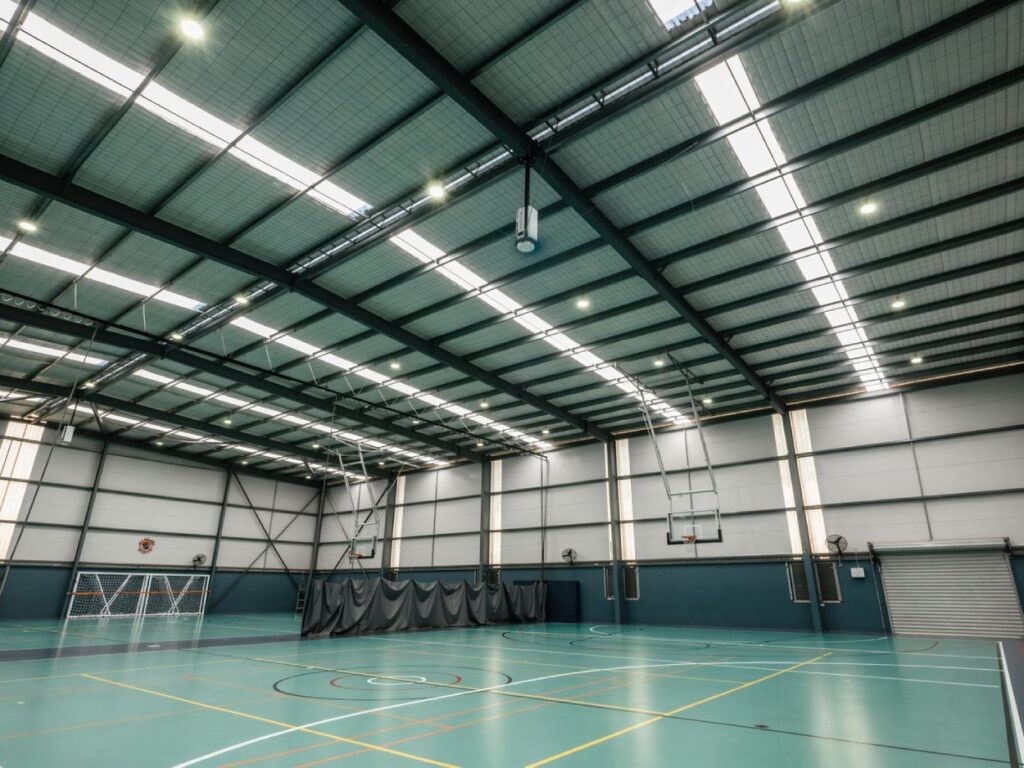
Commercial grade LED lighting is designed for environments where lighting performance, durability and reliability matter far more than they typically do in residential settings. In commercial and industrial applications, lighting often operates for long hours, faces harsher environmental conditions and needs to meet stricter compliance requirements.
Because of this, commercial grade lights are built differently from standard residential lighting products. They are engineered for demanding commercial installations where consistent lighting performance and long term reliability are essential.
Understanding what commercial grade lighting actually means helps contractors, wholesalers and project planners select products that are appropriate for the environment they are being installed into.
What Is Commercial Grade Lighting
Commercial grade lighting refers to lighting products designed for professional applications where fittings are expected to operate reliably for extended periods and under more demanding conditions.
Unlike many residential fittings, commercial grade lights are built with a stronger focus on:
- long operating hours
- durability requirements
- lighting performance
- reliability in use
- compliance with commercial lighting standards
These products are commonly used across commercial installations such as offices, warehouses, retail centres, factories and outdoor infrastructure projects where lighting failure can disrupt operations or create safety concerns.
Commercial grade LED lighting is also typically designed with better thermal management, higher quality components and stronger housing construction to support continuous operation over time.
What Is The Difference Between Commercial & Residential Lighting
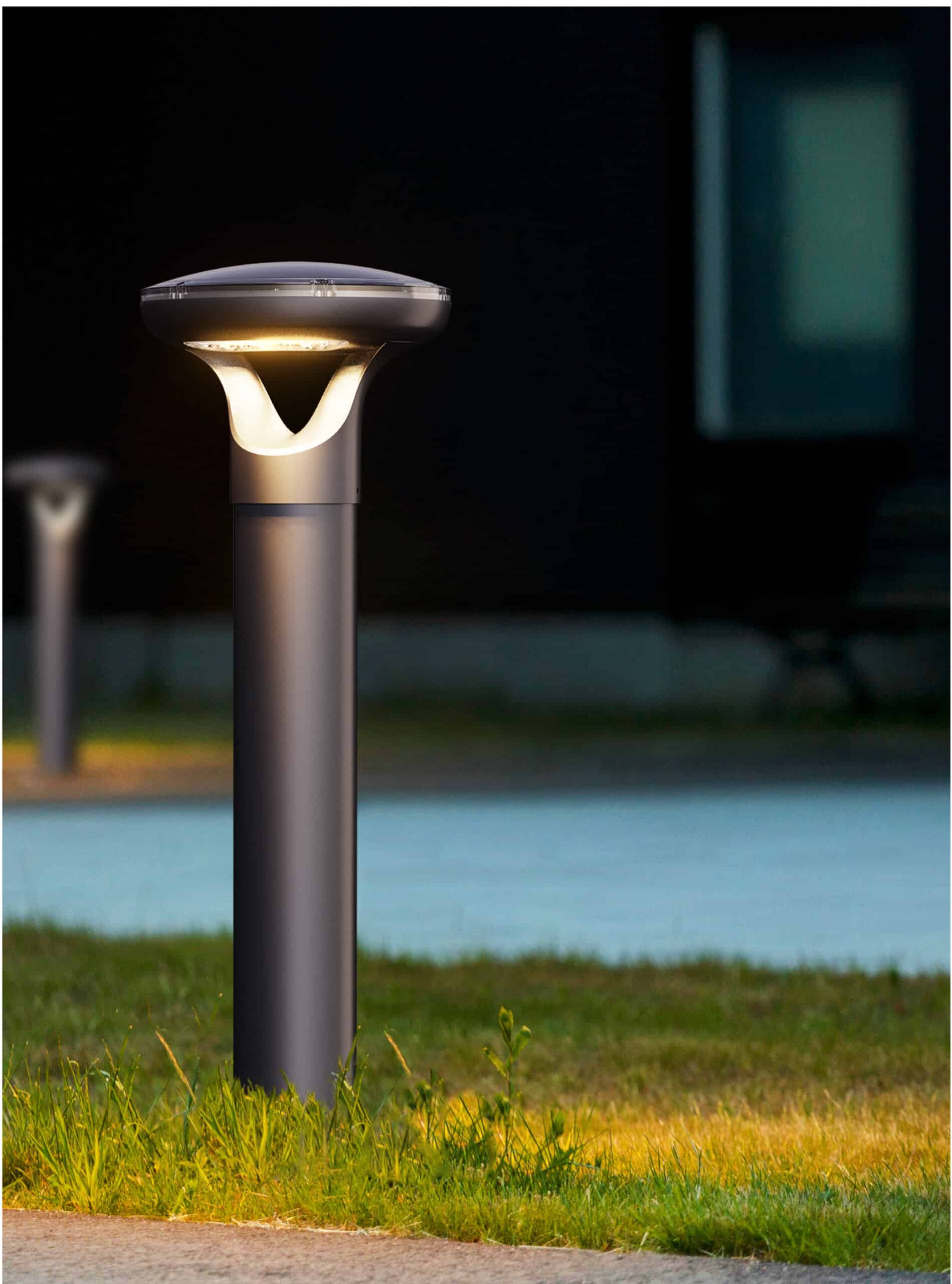
The biggest difference between commercial and residential lighting is the environment the lighting is designed to operate in.
Residential lighting is generally intended for lighter daily use in homes and smaller private spaces. Commercial lighting, however, is often required to operate for much longer periods and in more demanding environments.
Commercial grade lighting is usually designed to handle:
- continuous operation across long operating hours
- higher traffic environments
- larger lighting coverage areas
- harsher environmental conditions
- stricter compliance requirements
For example, a residential downlight installed in a home may only operate for several hours each evening. In comparison, lighting used in warehouses, offices or retail centres may operate for 10 to 16 hours every day.
Commercial lighting products are therefore built to higher performance standards because reliability becomes significantly more important in professional environments.
Higher Performance Standards In Commercial Lighting
Commercial grade LED lighting is designed to maintain reliable performance over extended periods of use.
This includes factors such as:
- stable lumen output over time
- efficient thermal management
- higher quality LED drivers
- reduced performance degradation
- improved energy efficiency
Thermal management is particularly important in commercial LED lighting. Excessive heat is one of the main causes of reduced LED lifespan and performance issues. Commercial grade fittings are typically designed with improved heat dissipation to support long term reliability during continuous operation.
Driver quality also plays a major role. In commercial installations, poor quality drivers can lead to flickering, premature failure or inconsistent lighting performance, particularly in environments where lights operate for long periods every day.
Because of this, commercial grade lighting products are generally engineered with a stronger focus on long term performance consistency.
Durability & Heavy Duty Construction
Commercial lighting products are often exposed to environments that place far greater physical demands on fittings than residential spaces.
Industrial environments, warehouses and outdoor commercial installations may expose lighting products to:
- dust and debris
- moisture and weather exposure
- vibration
- temperature fluctuations
- accidental impacts
Commercial grade lights are therefore commonly built using heavier duty construction methods and more durable materials.
This may include stronger housing materials, improved sealing against environmental exposure and higher impact resistance ratings. In outdoor or industrial environments, these features help improve reliability and reduce the likelihood of premature failure.
Build quality becomes especially important in locations where maintenance access is difficult or where lighting downtime affects day to day operations.
Compliance Requirements & Lighting Standards
Commercial lighting projects often need to meet stricter lighting standards and compliance requirements than residential installations.
Depending on the application, this may involve considerations such as:
- workplace lighting requirements
- emergency lighting compliance
- IP ratings for environmental protection
- electrical safety standards
- lighting levels for commercial spaces
Compliance is particularly important in commercial and industrial environments because lighting directly affects safety, visibility and workplace functionality.
For contractors and project managers, selecting compliant commercial grade lighting products helps ensure installations meet both performance expectations and regulatory requirements.
Maintenance Requirements & Long Term Reliability
Maintenance requirements are one of the biggest considerations in commercial lighting selection.
In large commercial installations, lighting failures can lead to operational disruption, increased servicing costs and safety concerns. Replacing failed fittings may also require elevated work platforms or after hours maintenance access, particularly in warehouses or industrial facilities.
Commercial grade LED lighting is designed to reduce:
- maintenance frequency
- downtime
- replacement costs
- servicing interruptions
This is one of the main reasons commercial projects often prioritise higher quality lighting products with proven long term reliability.
While commercial grade lighting may involve a higher upfront investment, the reduced maintenance requirements and improved operational reliability can provide significant long term value.
Where Commercial Grade Lighting Is Most Important
Commercial grade lighting is most important in environments where fittings are exposed to demanding operating conditions or where lighting reliability is critical.
Common applications include:
- warehouses and factories
- offices and retail centres
- workshops and industrial facilities
- car parks and loading zones
- outdoor infrastructure lighting
These environments typically involve longer operating hours, higher usage demands and more challenging environmental conditions than standard residential spaces.
Using lighting products that are specifically designed for these environments helps improve performance, reliability and long term durability.
Choosing The Right Commercial Grade LED Lighting
Choosing the right commercial grade LED lighting depends on the installation environment and the operational requirements of the project.
Important considerations include:
- operating hours
- environmental exposure
- required lighting performance
- maintenance access
- compliance requirements
The correct lighting product should be capable of delivering reliable illumination while also handling the environmental and operational demands of the application.
S-tech supplies commercial grade LED lighting designed for contractors, wholesalers and commercial projects across Australia. These lighting solutions are built to deliver reliable performance, strong durability and long term value across a wide range of commercial and industrial environments.
Frequently Asked Questions
What is commercial grade lighting?
Commercial grade lighting refers to lighting products designed for demanding professional environments where fittings are expected to operate reliably for long periods. These products are typically built to higher durability, performance and compliance standards than residential lighting.
What is the difference between commercial and residential lighting?
Commercial lighting is generally designed for longer operating hours, more demanding environments and stricter compliance requirements. Residential lighting is usually intended for lighter daily use and less demanding operating conditions.
Why is commercial grade LED lighting more durable?
Commercial grade LED lighting is built using stronger materials, higher quality components and improved thermal management systems. This helps the fittings withstand continuous operation and harsher commercial or industrial environments.
Where is commercial grade lighting typically used?
Commercial grade lighting is commonly used in warehouses, offices, retail centres, factories, car parks and outdoor infrastructure projects. These environments require reliable lighting performance and long term durability.
Why are lighting standards important in commercial installations?
Lighting standards help ensure commercial lighting installations provide appropriate visibility, safety and environmental protection for the application. Compliance is important in workplaces and commercial environments where lighting performance directly affects operations and safety.