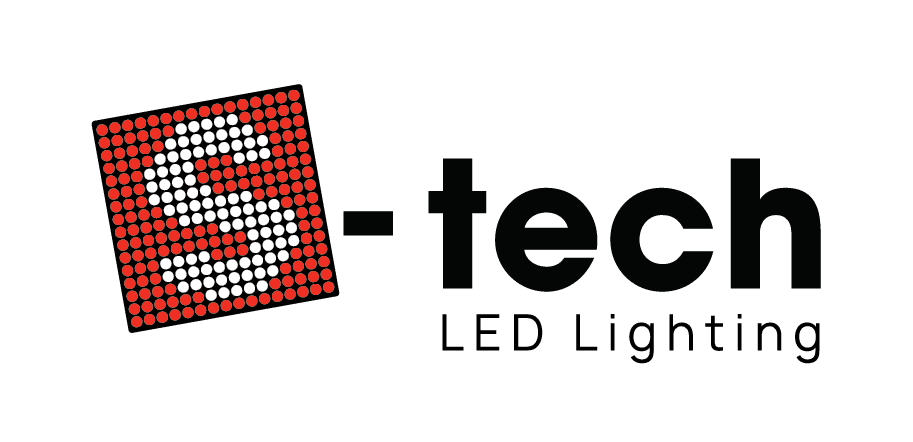
Batten lights are widely used across commercial and industrial projects, but their suitability for outdoor environments depends entirely on the type of fitting selected. While standard batten lights are designed for indoor use, weatherproof batten lights are specifically built to handle exposure to moisture, dust and changing conditions.
Understanding the difference between internal and outdoor batten lighting is critical when specifying fittings for car parks, service areas or exposed installations.
What Are Batten Lights
Batten lights are linear lighting fittings typically mounted on ceilings or walls to provide broad, even illumination. They are commonly used in warehouses, plant rooms, corridors and utility spaces where reliable, uniform lighting is required.
Their simple form factor and high output make them a practical solution for functional lighting applications.
Can Batten Lights Be Used In Outdoor Environments
Batten lights can be used outdoors, but only when they are designed for it. Standard internal battens are not suitable for outdoor installations as they lack the protection needed against water ingress and dust.
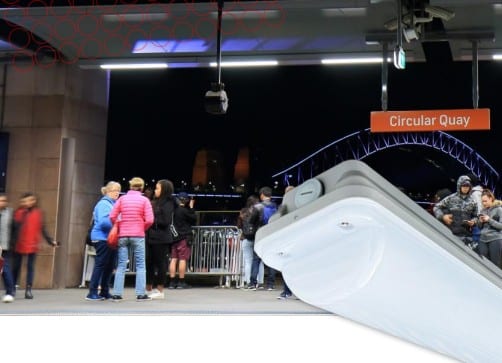
For outdoor or semi exposed areas, weatherproof batten lights must be used. These fittings are engineered with sealed housing and protective materials that allow them to perform reliably in harsher conditions.
What Are Weatherproof Batten Lights
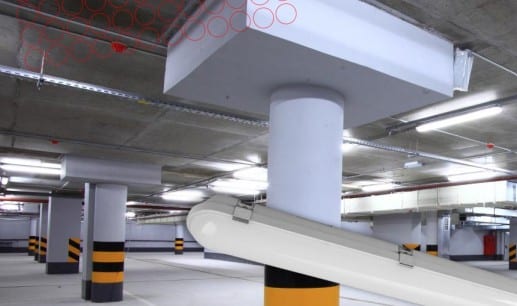
Weatherproof batten lights are purpose built for environments where exposure to moisture, dust or debris is expected. Unlike internal fittings, they feature sealed housing that prevents contaminants from entering the luminaire.
They are commonly used in:
- Outdoor installations
- Industrial environments
- Car parks
- Service areas
Their construction ensures consistent performance even in demanding conditions where standard batten lights would fail.
Key Features For Outdoor Batten Lighting
Outdoor batten lighting must be designed to handle environmental stress while maintaining performance.
Important features include:
- Sealed housing to protect internal components
- High IP rating for water ingress protection and dust protection
- Durable construction to withstand impact and environmental wear
- Corrosion resistance for long term reliability
- Suitability for exposed environments and semi exposed areas
These features ensure consistent operation and reduce the risk of premature failure.
IP Rating Explained For Batten Lighting
IP rating is the key factor that determines whether a batten light is suitable for outdoor use. It defines the level of protection against solid particles and water ingress.
- The first digit relates to dust protection
- The second digit relates to water ingress protection
|
IP Rating |
Dust Protection |
Water Ingress Protection |
Typical Environment Suitability |
|
IP20 |
No protection against dust |
No protection against water |
Indoor, dry areas only |
|
IP44 |
Protection against solid objects >1mm |
Protection against splashing water |
Indoor or very lightly exposed areas |
|
IP54 |
Limited dust ingress protection |
Protection against splashing water |
Semi exposed areas |
|
IP65 |
Full dust protection |
Protection against water jets |
Outdoor installations, car parks, service areas |
|
IP66 |
Full dust protection |
Protection against strong water jets |
Industrial environments, wash down areas |
For outdoor installations, higher IP ratings are required. For example:
- IP65 indicates full dust protection and resistance to water jets
- Lower IP ratings may only be suitable for indoor or sheltered applications
Selecting the correct IP rating ensures the fitting can handle the specific environmental conditions it will be exposed to.
Weatherproof Batten Lights Applications
Weatherproof batten lights are used in a range of commercial and industrial settings where durability is essential.
Common applications include:
- Car parks where fittings are exposed to moisture and vehicle movement
- Service areas requiring reliable, low maintenance lighting
- Industrial environments with dust, humidity or wash down conditions
- Outdoor installations exposed to weather
These environments demand fittings with strong environmental protection and long term reliability.
Difference Between Weatherproof & Internal Batten Lights
The main difference between weatherproof and internal batten lights lies in their construction and intended use.
Internal batten lights:
- Designed for controlled indoor environments
- Open or lightly sealed construction
- Not suitable for exposure to moisture or dust
Weatherproof batten lights:
- Sealed housing to prevent water ingress and dust entry
- Durable construction for exposed environments
- Higher resistance to corrosion and environmental wear
Using an internal fitting in an outdoor environment can lead to early failure, safety risks and non compliant installations.
Indoor Vs Outdoor Use Considerations
When determining whether a batten light can be used outdoors, the environment must be carefully assessed.
Key considerations include:
- Exposure to rain or wash down
- Presence of dust or airborne particles
- Whether the area is fully exposed or semi exposed
- Temperature fluctuations and humidity
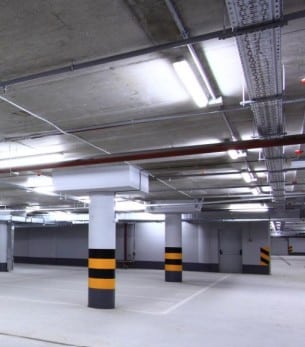
Semi exposed areas such as covered walkways or loading zones may still require weatherproof batten lights, depending on the level of exposure.
Choosing The Right Batten Light For Outdoor Installations
Selecting the correct batten light involves more than choosing a fitting that looks suitable. The installation environment, required protection level and application all need to be considered.
Matching the IP rating to the exposure level is critical. Over specifying can increase costs unnecessarily, while under specifying can lead to failures and maintenance issues.
Working with a supplier that understands commercial LED lighting requirements ensures the correct product is selected for each application. S-tech provides guidance on environment suitability, helping contractors and specifiers choose batten lighting that performs reliably in outdoor conditions.
Frequently Asked Questions
What are batten lights?
Batten lights are linear lighting fittings used to provide uniform illumination across commercial and industrial spaces. They are commonly installed on ceilings or walls in areas that require consistent, functional lighting.
Is there outdoor batten lighting?
Yes, outdoor batten lighting is available in the form of weatherproof batten lights. These fittings are designed with sealed housing and appropriate IP ratings to handle exposure to moisture and dust.
What is the difference between weatherproof and internal batten lights?
Weatherproof batten lights have sealed housing and higher IP ratings, making them suitable for outdoor or exposed environments. Internal batten lights are designed for indoor use and do not provide the same level of protection against environmental conditions.