IP rating is a standard used to define how well a lighting fitting is protected against external elements such as dust and water. Also known as an ingress protection rating, it is critical in commercial lighting where fittings are exposed to varying environmental conditions.
Understanding IP rating in commercial lighting ensures that the correct product is selected for the installation environment, reducing the risk of failure and improving long term performance.
What Is An IP Rating
An IP rating, or ingress protection rating, measures the level of protection a light fixture provides against solid objects and water. It is used across electrical products to classify environmental protection levels.
In lighting, IP ratings help determine whether a fitting is suitable for indoor use, semi exposed areas or fully exposed outdoor environments.
IP Rating Explained
IP rating explained simply refers to a two digit system that indicates the level of protection provided by a lighting fitting.
- The first digit represents solid object protection
- The second digit represents water ingress protection
Together, these digits form the IP rating classification and indicate how well a luminaire can withstand environmental exposure.
Understanding The IP Rating System
First Digit: Solid Object Protection
The first digit in the IP rating system refers to protection against solid objects, including dust ingress protection.
Higher ratings indicate greater resistance to dust entering the fitting, which is important in industrial environments or locations with airborne particles.
Second Digit: Water Ingress Protection
The second digit represents water ingress protection and defines how well the fitting can resist moisture.
This includes protection against:
- Drips and splashes
- Water jets
- More severe exposure depending on the rating
Selecting the correct level ensures the fitting can perform reliably in wet and damp locations.
IP Rating Classification & What The Numbers Mean
Different IP ratings indicate different levels of environmental protection. In commercial lighting, selecting the right classification depends on the installation conditions.
|
IP Rating |
Solid Object Protection |
Water Ingress Protection |
Typical Use |
|
IP20 |
No protection against dust |
No protection against water |
Indoor, dry environments |
|
IP44 |
Protection against solid objects >1mm |
Protection against splashing water |
Indoor or lightly exposed areas |
|
IP54 |
Limited dust ingress protection |
Protection against splashing water |
Semi exposed environments |
|
IP65 |
Full dust protection |
Protection against water jets |
Outdoor lighting applications |
|
IP66 |
Full dust protection |
Protection against strong water jets |
Industrial and exposed environments |
|
IP67 |
Full dust protection |
Protection against temporary immersion |
Ground level or high exposure areas |
This IP rating system provides a clear way to match lighting to environmental protection requirements.
Why IP Ratings Matter In Commercial Lighting
IP ratings play a key role in ensuring lighting performs as expected in different environments. Incorrect specification can lead to premature failure, safety risks and increased maintenance.
In commercial lighting applications, IP rating affects:
- Suitability for installation conditions
- Resistance to dust ingress and water ingress
- Long term durability and reliability
- Compliance with outdoor lighting requirements
Selecting the correct IP rating helps maintain consistent performance while reducing maintenance and replacement costs.
IP Rating For Outdoor Lights
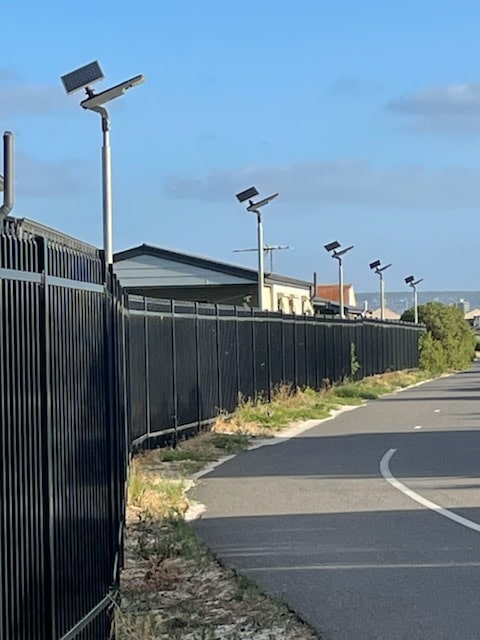
IP rating for outdoor lights is especially important due to exposure to weather and environmental conditions.
Outdoor lighting installations may be subject to:
- Rain and moisture
- Dust and airborne particles
- Temperature changes
- Direct exposure to the elements
In most outdoor lighting applications, fittings with IP65 or higher are required to ensure adequate protection.
For wet and damp locations or fully exposed environments, higher ratings provide greater reliability and reduce the risk of failure.
Choosing The Suitable IP Rating For Different Applications
Selecting a suitable IP rating depends on the environment and installation conditions. Over specifying may increase costs unnecessarily, while under specifying can lead to performance issues.
Key considerations include:
- Whether the installation is indoor, semi exposed or fully exposed
- The presence of dust or airborne particles
- Exposure to water, including splashing or direct jets
- The level of environmental protection required
Matching the IP rating to the actual conditions ensures the lighting solution is both effective and efficient.
Common Lighting Applications & Recommended IP Ratings
Different lighting applications require different levels of protection depending on their environment.
Lighting Application | Typical Environment | Recommended IP Rating | Notes |
Indoor / semi exposed areas | IP20 – IP65 | Higher IP required for car parks and service areas | |
Industrial & exposed areas | IP65 – IP66 | Suitable for dust heavy or wash down environments | |
Outdoor exposed environments | IP65 – IP66 | Used for external walls, yards and open areas | |
Warehouses & industrial sites | IP44 – IP65 | Depends on dust and moisture levels | |
Service stations & covered outdoor areas | IP65 | Protection required from moisture and fumes | |
Building exteriors | IP54 – IP65 | Depends on level of exposure | |
Pathways & landscape areas | IP65 – IP67 | Ground level exposure increases water risk |
This provides a practical reference for matching lighting applications to suitable IP rating requirements.
Commercial Lighting Solutions With S-tech
Selecting the correct IP rating is only one part of specifying reliable lighting for commercial projects. Matching fittings to real world installation conditions requires a clear understanding of environmental exposure, performance requirements and compliance.
S-tech supplies commercial lighting solutions across Australia, supporting electrical wholesalers, contractors and project teams with product selection and specification guidance. From indoor installations through to fully exposed outdoor environments, S-tech helps ensure each lighting application is matched with the appropriate level of environmental protection.
Frequently Asked Questions
What is an IP rating?
An IP rating is a classification system that measures how well a lighting fitting is protected against solid objects and water. It helps determine whether a product is suitable for specific environments.
What IP rating is required for outdoor lighting?
Most outdoor lighting requires a minimum of IP65 to ensure protection against dust and water jets. Higher ratings may be required for more exposed or demanding environments.
What do the numbers in an IP rating mean?
The first digit represents protection against solid objects and dust, while the second digit represents protection against water ingress. Together, they define the level of environmental protection.
What is the difference between dust and water protection in IP ratings?
Dust protection relates to preventing solid particles from entering the fitting, while water protection relates to resistance against moisture such as splashes or jets. Both are critical depending on the environment.
Is a higher IP rating always better?
A higher IP rating provides greater protection, but it is not always necessary. The correct rating should match the installation conditions to avoid unnecessary cost while ensuring reliable performance.