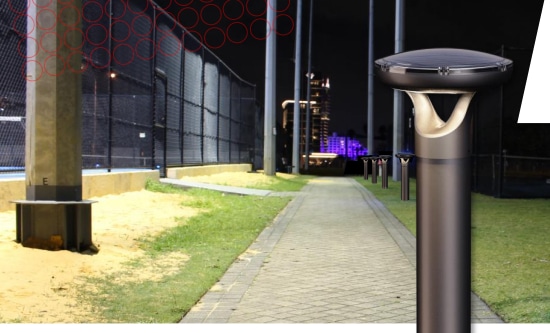
Commercial solar lighting systems are widely specified for car parks, pathways, public spaces and infrastructure projects because they remove the need for trenching and reduce ongoing energy costs. However, while they are lower maintenance than mains powered fittings, they are not maintenance free. Structured solar light maintenance is essential to maintain optimal performance, protect charging efficiency and ensure long term reliability in commercial and industrial environments.
What Solar Light Maintenance Involves
Effective solar light maintenance focuses on the key components that influence performance and lifespan. In commercial installations this typically includes:
- Solar panel cleaning
- Battery replacement planning and battery lifespan monitoring
- Inspection of the charge controller or solar controller
- Checking wiring connections
- Testing light sensor and motion sensor operation
- Monitoring for corrosion and water ingress to protect the IP rating
This is preventative maintenance rather than reactive repair. A planned approach reduces reduced output, avoids unexpected failures and extends system life.
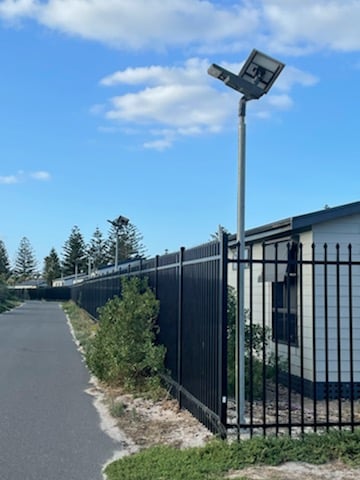
How To Maintain Solar Lights For Optimal Performance
Understanding how to maintain solar lights in commercial settings starts with implementing a regular inspection schedule. Regular inspection allows facility managers and contractors to identify changes in behaviour before they become faults.
Key checks should include:
- Scheduled visual inspection of panels and fittings
- Confirming no new shading from trees, signage or buildings
- Monitoring runtime consistency and overall light levels
- Checking mounting integrity and structural stability
- Reviewing charging efficiency trends
Even minor shading or contamination can affect charging efficiency, particularly in winter months when daylight hours are shorter. Maintaining optimal performance depends on consistency rather than occasional intervention.
How To Clean Solar Lights & Solar Light Panels
Knowing how to clean solar lights correctly protects both output and component lifespan. Solar panel cleaning is primarily about removing dust and debris that accumulates on the surface and reduces the amount of sunlight reaching the cells.
Best practice includes:
- Using a soft cloth or sponge with clean water
- Avoiding abrasive materials that may scratch the panel
- Avoiding harsh chemicals that may degrade surface coatings
- Increasing cleaning frequency in dusty or coastal environments
Dust and debris directly reduce charging efficiency, which can lead to reduced output and shorter runtime overnight. In industrial or high traffic environments, contamination can build up faster than expected, making routine cleaning critical.
Battery Replacement & Battery Lifespan Considerations
Battery lifespan is one of the most important variables in commercial solar lighting systems. Most systems use rechargeable batteries designed for deep cycling, but performance naturally declines over time due to repeated charge and discharge cycles.
Common indicators that battery replacement may be required include:
- Flickering behaviour
- Shortened runtime
- Inconsistent activation
- Noticeable reduced output
Deep discharge events, high temperatures and poor charging conditions can accelerate battery degradation. Proactive battery replacement planning prevents downtime and avoids unnecessary service calls.
Charge Controller, Sensors & Electrical Checks
The charge controller or solar controller regulates how the battery is charged and discharged. If this component is not functioning correctly, charging efficiency and overall system behaviour will be affected.
As part of regular inspection, contractors should:
- Check wiring connections for looseness or damage
- Inspect for corrosion, particularly in coastal environments
- Confirm there is no evidence of water ingress
- Test light sensor and motion sensor functionality
Maintaining enclosure integrity is critical to preserving the designed IP rating. Corrosion or water ingress can compromise internal components and significantly reduce system lifespan.
Common Problems
Solar Lights Flickering
Flickering in commercial solar lighting systems is most commonly linked to ageing rechargeable batteries, unstable wiring connections or charge controller issues. It may also occur when solar panel contamination reduces charging efficiency, preventing the battery from reaching full capacity.
Cleaning panels and checking electrical connections should be the first step. If the issue persists, battery replacement or controller testing may be required.
Solar Lights Not Turning On
When solar lights fail to activate, common causes include fully depleted batteries, insufficient charging due to shading, sensor malfunction or wiring faults. In some cases, prolonged poor weather can temporarily affect system behaviour.
A structured maintenance process helps determine whether the issue is battery related, environmental or electrical before components are replaced.

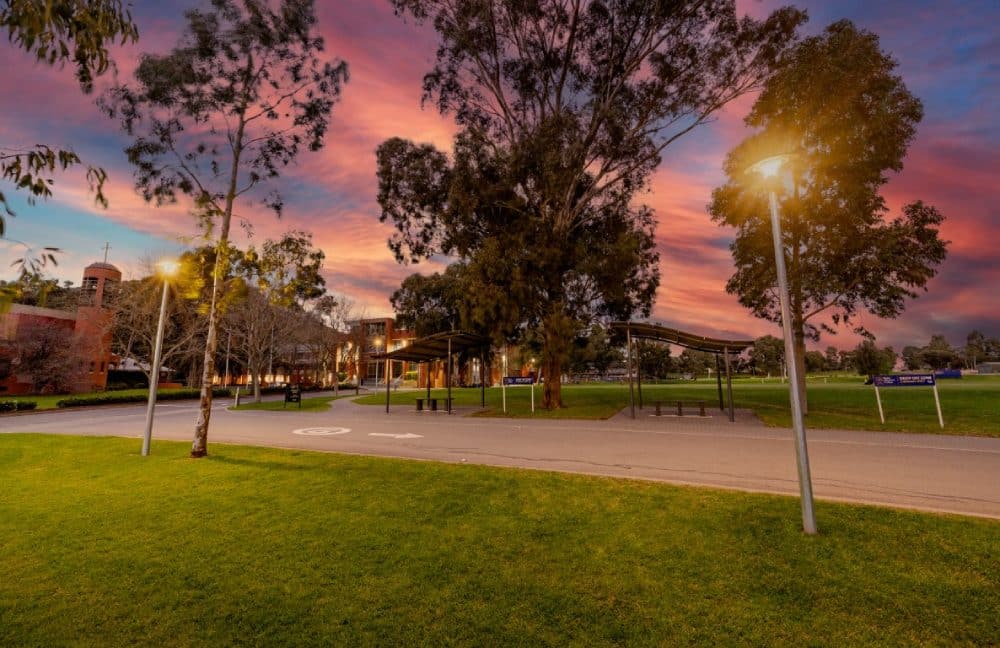
Are Your Solar Lights Turning On And Off At The Wrong Times?
Incorrect switching behaviour is typically linked to light sensor misalignment, motion sensor sensitivity settings or external light interference. Controller configuration issues may also affect programmed operating times.
Periodic inspection and calibration ensure the system operates in line with design expectations and site conditions.
Importance Of Regular Inspection & Preventative Maintenance
Commercial solar lighting systems are engineered for durability, but they rely on structured preventative maintenance to perform consistently over time. Regular inspection protects charging efficiency, reduces corrosion risk, prevents water ingress and maintains IP rating integrity.
For contractors and wholesalers, maintaining commercial grade systems ensures reduced service calls and predictable performance outcomes. Working with experienced commercial LED lights suppliers such as S-tech provides access to guidance and product knowledge that supports long term reliability across commercial projects.
Frequently Asked Questions
What is the best way to maintain commercial solar lights?
Solar lights should be maintained through regular inspection, solar panel cleaning, battery lifespan monitoring and electrical checks. A preventative maintenance schedule helps maintain charging efficiency and avoid reduced output.
How to maintain the solar light’s panels?
Solar light panels should be inspected for dust and debris, cleaned using non abrasive materials and checked for shading. Maintaining a clean surface supports optimal performance and consistent battery charging.
How to clean commercial solar lights
Clean solar lights using a soft cloth and clean water, avoiding abrasive materials and harsh chemicals. Increased cleaning frequency may be required in dusty or coastal environments.
How to clean solar light’s panels?
Solar panel cleaning involves removing surface contamination that limits sunlight exposure. Gentle cleaning methods protect the panel surface and maintain charging efficiency.
Why are my commercial solar lights flickering?
Flickering is commonly caused by ageing rechargeable batteries, loose wiring connections or charge controller instability. Reduced charging due to panel contamination may also contribute.
Why aren't my solar lights turning on?
This is usually related to depleted batteries, insufficient charging, sensor malfunction or wiring faults. Inspection should identify whether the issue is environmental or component related.
Why are my solar lights turning on and off at the wrong times?
Incorrect switching behaviour is typically caused by sensor alignment issues, environmental lighting interference or controller configuration problems. Calibration and inspection generally resolve the issue.