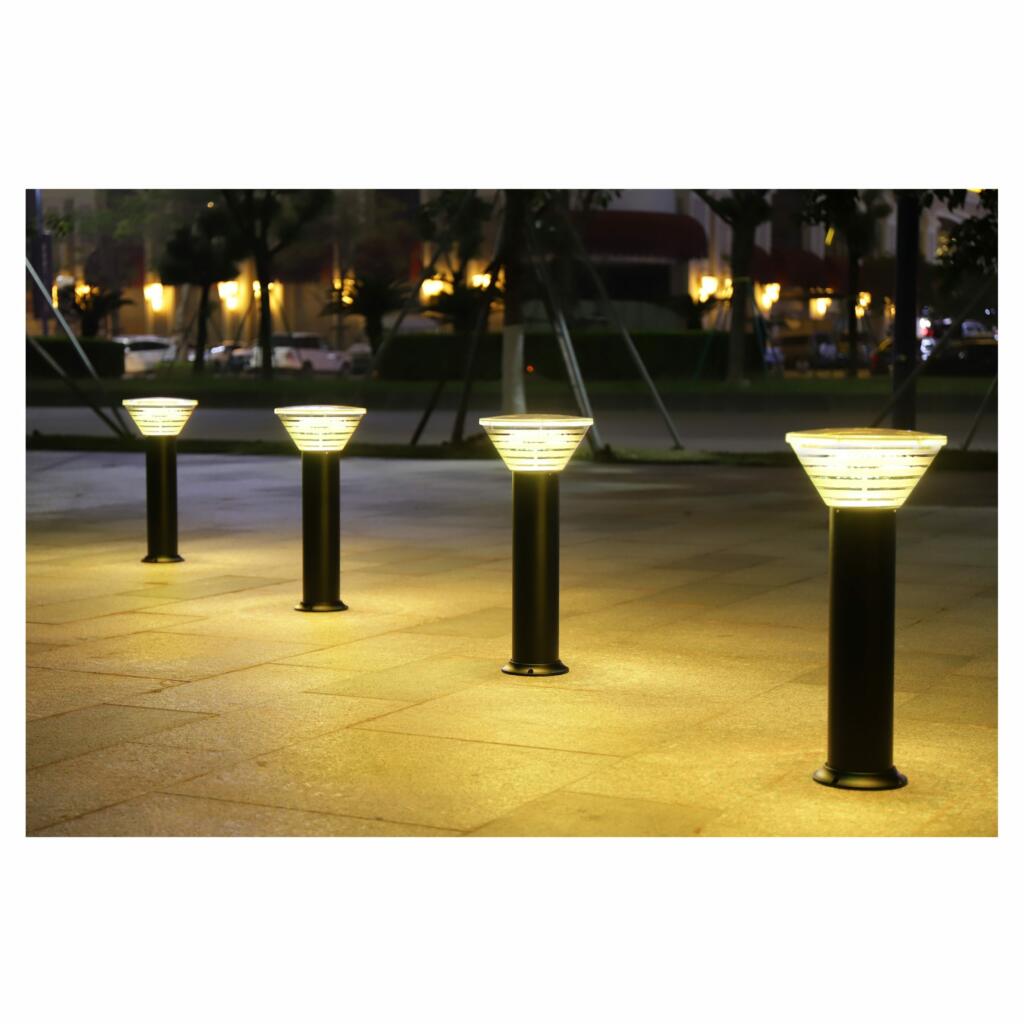
Solar lighting has become an increasingly common option for outdoor lighting projects, particularly where installing conventional electrical infrastructure is difficult or costly. In many situations it can provide a practical and energy independent lighting solution without the need for trenching, cabling or grid connection.
However, solar lighting is not suitable for every application. Its performance depends heavily on site conditions, power requirements and sunlight availability. Understanding when solar lighting is the right solution and when it is not helps contractors, designers and project planners select the most reliable lighting system for the environment.
For commercial and infrastructure projects, the decision between solar lighting and grid powered lighting should always be based on a clear site assessment and realistic performance expectations.
What Solar Lighting Systems Actually Are
Modern solar lighting systems combine several components into a single autonomous lighting system.
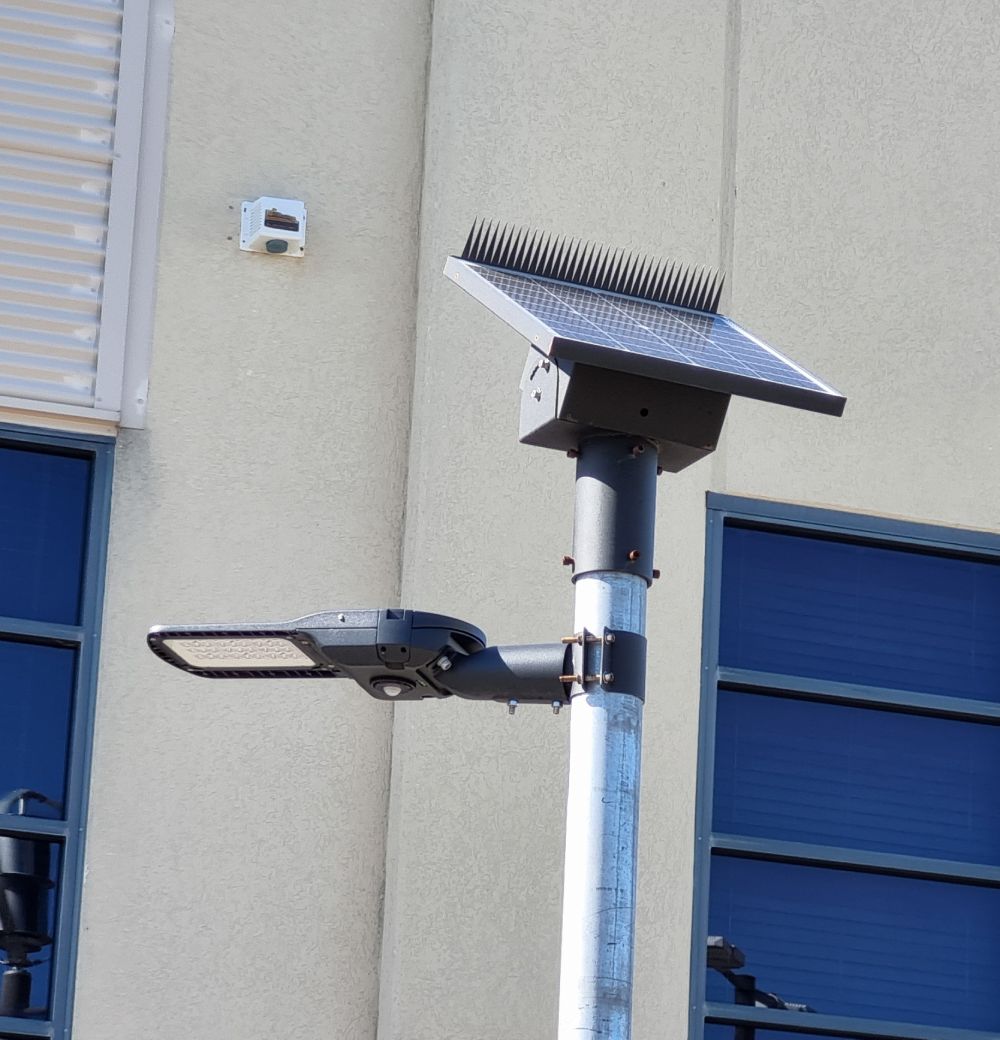
A typical commercial solar lighting installation includes:
- a solar panel that captures energy during daylight hours
- battery storage that stores energy for night time operation
- an LED luminaire that provides the required illumination
- an intelligent controller that manages charging and lighting cycles
During the day, the solar panel converts sunlight into electrical energy which is stored in the battery. When daylight levels drop, the system automatically powers the LED luminaire using the stored energy.
In commercial outdoor lighting projects, solar lighting is often used as a self contained lighting system where grid power is unavailable or expensive to install. Because these systems operate independently of electrical infrastructure, they are commonly referred to as autonomous lighting systems.
The performance of these systems depends on several factors including solar panel exposure, battery storage capacity and the power requirements of the luminaire.
When Solar Lighting Is The Right Solution
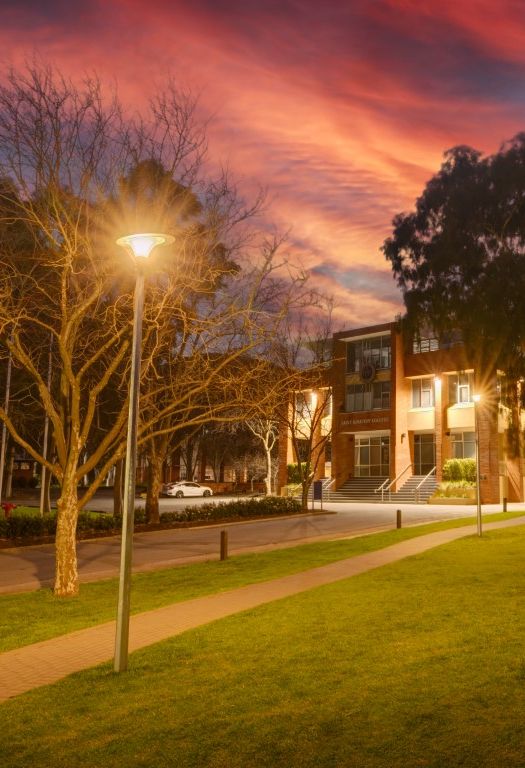
Solar lighting performs best in locations where access to grid power is limited or where installing electrical infrastructure would significantly increase installation costs.
In these situations, solar lighting can provide a reliable solution without the need for trenching or new grid connections.
Typical applications where solar lighting is the right solution include:
- remote locations without access to electrical infrastructure
- new developments where trenching costs for grid connection are high
- pathways, parks and public spaces that require distributed lighting
- infrastructure projects where running cabling over long distances is impractical
- temporary or rapidly deployed lighting installations
In these environments, solar lighting can significantly reduce installation costs because it eliminates the need for underground cabling and grid connection work.
Solar lighting is also commonly selected for sustainability focused projects that aim to reduce grid energy consumption or operate using renewable energy.
When site conditions allow sufficient solar panel exposure and the lighting load is appropriate, solar lighting can provide dependable outdoor illumination with minimal operating costs.
Where Solar Lighting Can Be Limited
Although solar lighting offers clear advantages in certain environments, there are also situations where it may not be suitable.
The main limitations relate to the amount of energy that can be captured during daylight hours and stored for night time operation.
Solar lighting may not perform well in situations such as:
- locations with heavy shading from buildings, trees or surrounding structures
- urban environments where solar panels cannot receive consistent sunlight
- sites requiring very high illumination levels across large areas
- locations that require lighting for long continuous overnight periods
Because solar systems rely on sunlight availability, reduced charging performance during cloudy weather or winter months can affect lighting reliability if the system is not properly sized.
Another limitation can occur in environments where the power requirements of the lighting exceed the practical capacity of solar panels and battery storage.
Understanding these operating limitations is important when assessing solar lighting suitability for a project.
Solar Lighting Vs Grid Powered Lighting
Solar lighting and grid powered lighting operate very differently, and each approach has advantages depending on the project environment.
Solar lighting eliminates the need for electrical infrastructure because it operates independently of the grid. This can significantly reduce installation costs in remote locations or projects where trenching would otherwise be required.
However, grid powered lighting provides a stable and continuous power supply. This allows higher power luminaires to operate reliably regardless of weather conditions or seasonal sunlight variation.
In projects where consistent high illumination levels are required throughout the night, grid powered lighting often remains the preferred solution.
In contrast, solar lighting is typically best suited to locations where power demand is moderate and sufficient sunlight is available to maintain battery storage capacity.
For many projects the decision between solar lighting and grid power ultimately comes down to installation costs, site conditions and the required lighting performance.
Factors To Consider Before Choosing Solar Lighting
Choosing the right solar lighting system requires a proper assessment of the project environment and the operating requirements of the lighting installation.
Important factors to consider include:
- sunlight availability and solar panel exposure
- the number of operating hours required overnight
- the lumen output required for the application
- pole height and luminaire power demand
- geographic location and seasonal daylight variation
These factors influence the size of the solar panel and the amount of battery storage required for reliable operation.
For example, installations in remote locations with strong sunlight exposure may perform well with relatively modest system sizes. In contrast, installations in shaded areas or regions with shorter winter daylight hours may require larger solar panels and greater energy storage capacity.
Proper site assessment helps ensure the system is correctly sized for the project and avoids reliability issues later.
Common Mistakes When Choosing Solar Lighting
Solar lighting systems can deliver reliable performance when they are properly specified, but there are several common mistakes that can lead to poor outcomes.
Some of the most common issues include:
- assuming solar lighting can deliver the same power levels as grid powered lighting
- installing solar systems in shaded areas with limited solar panel exposure
- underestimating the lumen output required for the application
- failing to consider seasonal sunlight variation and weather conditions
These issues often arise when solar lighting is selected without fully assessing the site conditions or power requirements of the lighting system.
Careful planning and accurate system sizing are essential to ensure the solar lighting installation performs reliably over time.
How To Choose The Right Solar Lights For Outdoor Spaces
Selecting the right solar lighting system requires balancing lighting performance with site conditions and operational requirements.
Contractors and project planners should focus on matching the lighting system to the environment in which it will operate.
Key considerations include:
- selecting appropriate lumen output for the application
- positioning the solar panel for maximum sunlight exposure
- ensuring sufficient battery storage for overnight operation
- choosing the correct pole height and luminaire placement
When these factors are addressed during the design stage, solar lighting systems can provide reliable illumination across many outdoor environments.
For commercial outdoor lighting projects, using properly engineered lighting systems is essential. S-tech supplies commercial grade solar lighting designed for contractors and infrastructure projects where reliability, durability and consistent lighting performance are critical.
Trust S-tech For Commercial Solar Lighting
Solar lighting can be an effective solution when site conditions support its operation and the system is correctly sized for the lighting requirements of the project.
Understanding both the advantages and the limitations of solar lighting helps ensure the most appropriate lighting system is selected. In some environments solar lighting provides clear installation and operating benefits, while in others grid powered lighting may deliver more consistent performance.
S-tech supplies commercial lighting solutions designed for contractors, wholesalers and infrastructure projects across Australia. With the right site assessment and system design, solar lighting can be a practical and reliable solution for many outdoor lighting applications.
Frequently Asked Questions
Is solar lighting worth it for commercial outdoor lighting?
Solar lighting can be worthwhile in commercial projects where grid connection is difficult or expensive to install. In remote locations or infrastructure projects where trenching costs are high, solar lighting can reduce installation costs while still delivering reliable outdoor illumination when the system is correctly sized.
Where should solar lighting not be used?
Solar lighting should generally be avoided in heavily shaded areas, dense urban environments with limited sunlight exposure, or projects that require very high illumination levels for long overnight operating hours. In these situations, grid powered lighting often provides more consistent performance.
What factors should be considered before choosing solar lighting?
Important factors include sunlight availability, solar panel exposure, the number of lighting hours required overnight, lumen output requirements and the geographic location of the project. These factors determine the battery storage capacity and solar panel size required for reliable operation.
What are the main limitations of solar lighting systems?
The main limitations of solar lighting relate to energy storage capacity and dependence on sunlight availability. Weather conditions, seasonal daylight variation and shading can all affect charging performance and overall lighting reliability if the system is not properly designed.
How do solar lights compare with grid powered outdoor lighting?
Solar lighting operates independently of electrical infrastructure and can significantly reduce installation costs in remote locations. Grid powered lighting, however, provides a continuous power supply and is often better suited to applications requiring higher power luminaires or consistent overnight lighting performance.