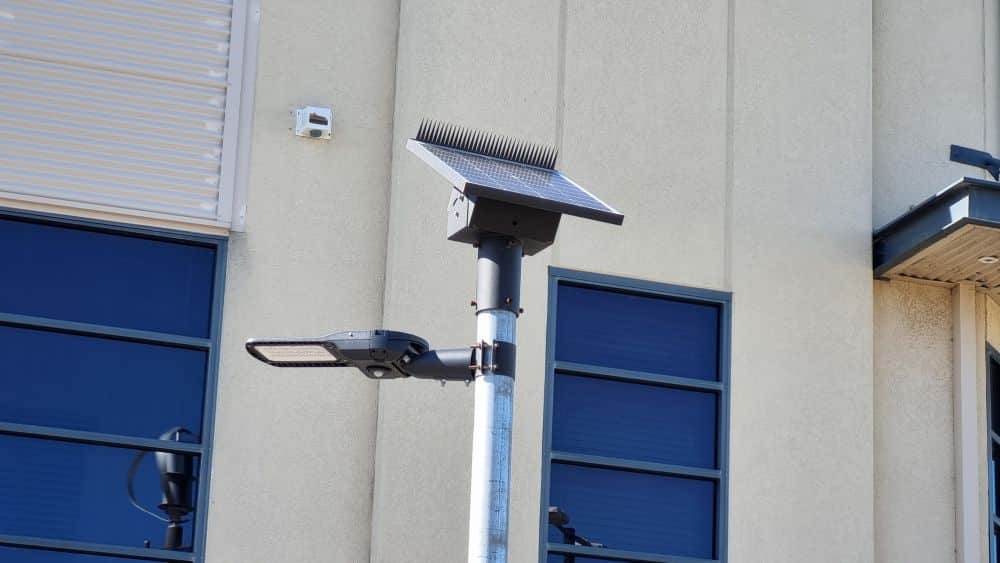
Outdoor solar LED lighting is widely used across commercial, industrial and residential projects because it solves practical challenges on site. It allows lighting to be installed where mains power is unavailable or cost prohibitive, removes the need for trenching and cabling, reduces installation time, and lowers ongoing energy costs. As a result, solar LED lights are commonly used for pathways, car parks, streetscapes, perimeter lighting and remote outdoor areas.
Regardless of their many applications, outdoor solar LED lights can and do still fail. In many cases, the issue is not a single fault or defect, but a combination of system limitations, site conditions, installation decisions and ongoing maintenance. Understanding why outdoor solar LED lights fail helps set realistic expectations, highlights what factors can be controlled, and reduces the risk of avoidable performance issues over time.
The Main Reasons Outdoor Solar LED Lights Fail
Most solar LED failure can be traced back to a small number of common issues. These include battery quality, solar panel sizing, internal electronics, installation errors, and environmental exposure. Retail grade products are far more prone to failure than commercial or trade grade systems, especially in Australian conditions where heat, UV exposure and weather extremes place additional stress on components.
Battery Quality & Cycle Life
Battery failure is the most common reason a solar light is not working. The rechargeable battery stores energy during the day and powers the light source at night. Low quality batteries degrade quickly, lose capacity, and struggle to hold charge after repeated cycles.
Cheaper solar powered lights often use low grade lithium or nickel based batteries with limited cycle life. These batteries may perform adequately for the first year but degrade rapidly, leading to reduced runtime or complete failure. In outdoor solar lights, battery performance is critical to long term reliability.
When evaluating solar LED quality, battery specifications matter. Key factors include battery chemistry, capacity, depth of discharge tolerance, and operating temperature range. In Australia, high ambient temperatures place additional stress on batteries, making thermal performance and protection even more important. Trade grade systems use higher quality batteries designed for long term outdoor use and predictable cycle life.
Solar Panel Size & Charging Limitations
Solar panel size directly affects charging performance. Undersized panels are a common cause of solar LED performance issues, particularly during winter or in shaded environments. If the solar panel cannot generate enough energy during daylight hours, the battery will never reach full charge.
Reduced charging leads to shorter runtime, dim output, or lights not working at all after only a few hours. Cloud cover, seasonal daylight changes, and partial shading from trees, buildings or nearby structures all reduce available sunlight. Even small obstructions can block sunlight enough to affect charging.
Proper solar powered lighting design accounts for worst case conditions, not ideal ones. Panel size must match battery capacity, LED load, and expected operating hours. Commercial grade outdoor solar lighting systems are engineered with sufficient panel area to maintain performance year round, not just in summer.
LED Driver & Component Quality
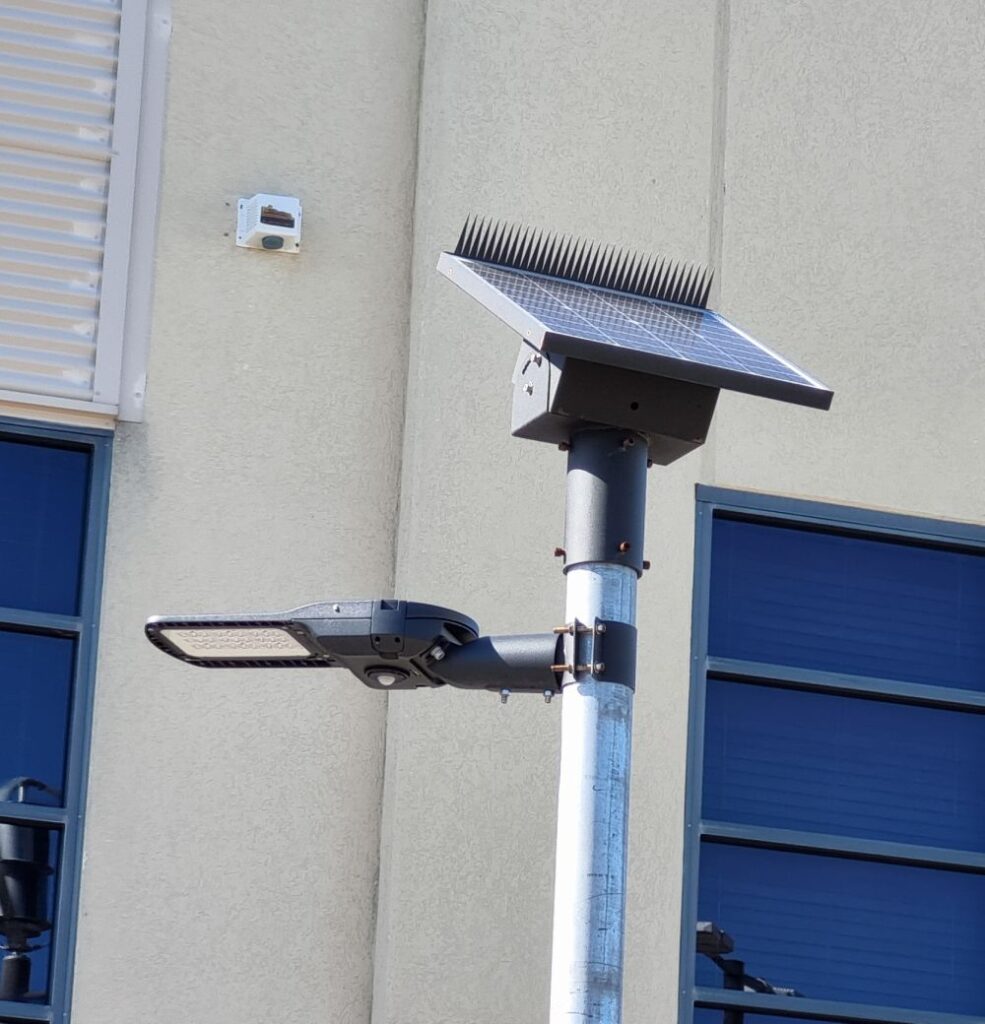
While LED chips themselves have long lifespans, the internal electronics that control them often determine overall system reliability. The LED driver regulates current and protects the light source from voltage fluctuations. Poor quality drivers and control boards are a frequent cause of early failure.
In low cost solar LED products, internal components may lack adequate thermal management, surge protection or environmental sealing. Over time, heat buildup and moisture exposure degrade these components, leading to flickering, reduced output or complete shutdown.
High quality solar powered lights use robust drivers designed for outdoor environments, with proper heat dissipation and protection circuits. This significantly improves long term reliability and reduces solar LED problems caused by internal electronics.
Incorrect Installation or Positioning
Installation plays a major role in outdoor solar lighting performance. Even a well designed product can fail if installed incorrectly. Common contractor issues include poor orientation, incorrect tilt angle, or placement where the solar panel is partially shaded for much of the day.
Panels should face the optimal direction for maximum sun exposure and be mounted at an angle that allows efficient charging throughout the year. Obstructions such as trees, walls or nearby buildings can block sunlight and reduce charging efficiency. In some cases, dust buildup or debris accumulation further limits performance.
Regular maintenance also matters. Cleaning the panels with a soft cloth and ensuring nothing blocks sunlight helps maintain charging efficiency. Without basic upkeep, even high quality systems can experience solar LED performance issues over the long term.
IP Rating & Weather Resistance
Outdoor solar lights are constantly exposed to rain, dust, humidity and temperature fluctuations. If the IP rating is inadequate for the installation environment, water ingress can damage internal components and lead to failure.
Water entering the housing can corrode circuit boards, damage the light sensor, or compromise battery connections. Heat exposure can also shorten component lifespan, particularly if the enclosure does not allow proper ventilation.
Trade grade solar powered lights are designed with appropriate IP ratings and sealing methods for outdoor use. This reduces the risk of weather related outdoor solar lighting issues and improves long term reliability.
Temperature Impact on Batteries & Panels
Temperature extremes significantly affect solar LED performance. High temperatures accelerate battery degradation, while cold conditions reduce available capacity. In many Australian locations, solar lights must operate reliably through hot summers and cooler winters.
Batteries exposed to excessive heat lose capacity faster and may fail prematurely. Panels also experience reduced efficiency at higher temperatures. In colder conditions, batteries may not deliver their full rated output, reducing runtime overnight.
Quality solar LED systems are designed with temperature management in mind, using components rated for outdoor environments and expected climate conditions. This helps maintain consistent performance over the long term.
Retail Grade Versus Trade Grade Solar LED Products
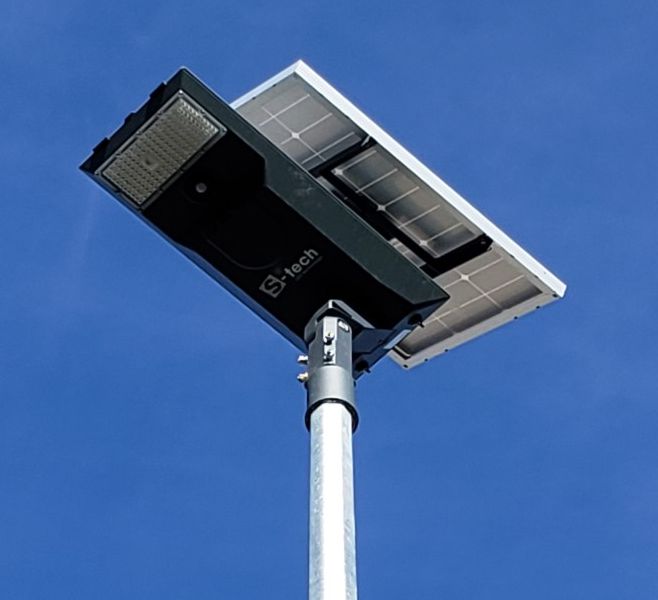
There is a clear difference between retail grade and trade grade solar powered lights. Retail products are typically designed for decorative or short term use, with lower cost components and minimal performance margins. They are more prone to solar LED battery failure, charging limitations and environmental damage.
Trade grade systems supplied through electrical wholesalers are engineered for reliability, compliance and consistent output. They use higher quality batteries, properly sized solar panels, robust drivers and appropriate weather protection. For commercial and industrial applications, this difference is critical to avoiding ongoing maintenance issues and replacements.
Why Choose S-tech Solar LED Products
S-tech solar LED products are designed with performance and longevity in mind. Component selection focuses on battery quality, panel sizing and driver reliability to suit Australian conditions. Products are tested for environmental exposure, thermal performance and long term operation before being supplied to the market.
By prioritising commercial grade components, compliance and real world performance, S-tech helps contractors and wholesalers avoid the common issues that cause outdoor solar LED lights to fail. This results in reliable lighting solutions that deliver consistent output and reduced maintenance over time.
Frequently Asked Questions
What is the most common reason a solar light is not working?
Battery failure is the most common issue for solar lights not to work. Low quality or degraded batteries lose capacity over time and cannot power the light through the night.
How long should outdoor solar LED lights last?
With quality components and proper installation, trade grade solar LED lights can operate reliably for many years, with batteries typically replaced as part of long term maintenance.
Can shading really cause solar LED problems?
Yes, even partial shading can significantly reduce charging, leading to poor runtime or solar lights not working altogether.
Do solar lights need regular maintenance?
Maintenance is generally limited to inspections and battery replacement over time. Regular cleaning of the solar panels is also important, as dirt, dust and debris can reduce energy capture and affect battery charging efficiency. Periodic checks help ensure consistent performance and long term reliability.
Are replacement batteries always a fix for solar lighting?
Replacement batteries can restore performance of solar lighting if the battery is the only issue, but ongoing problems may indicate undersized panels or internal component failure.