Insect attraction around lighting is a common concern when specifying commercial fittings, particularly for venues where hygiene, comfort and presentation matter. It is one of the first questions raised when a site moves to LED: do commercial LED lights attract insects, and can the right choice reduce the problem? LEDs generally attract fewer insects than the lighting they replace, but the type of LED and its colour temperature determine how well.
What Attracts Insects To Light?
Night-flying insects navigate using natural light, and artificial light interferes with that, which is why moths and flies gather around a fixture after dark. They are not drawn to light in general, though. They respond to specific characteristics, and two of them account for most of the insect attraction around any fixture:
- Light wavelength – insects are far more sensitive to some parts of the spectrum than others.
- Heat and brightness – hotter running fixtures and very high output both increase how many insects a light draws.
Understanding these two drivers is the starting point, and it is why the question of whether LED lights attract bugs comes up whenever a site moves to LED.
Do LED Lights Attract Fewer Insects Than Traditional Lighting?
In most cases, yes. Traditional incandescent and halogen lamps give off a lot of heat and a broad light spectrum, and both qualities make them attractive to flying insects. Older fluorescent and mercury vapour lamps are worse again, because they emit ultraviolet light, which is highly visible to many insects.
Most LED products emit little to no ultraviolet light and run far cooler, so they attract fewer insects than the lamps they replace. That advantage is not automatic. Not all LEDs are equal, and a poorly specified LED fixture can still draw a crowd. The difference comes down to colour temperature.
How Colour Temperature Affects Insect Attraction
Colour temperature, measured by its Kelvin rating, describes how warm or cool a light appears, and it has a direct bearing on insect attraction.
Cool white light, typically 5000K and above, contains a higher proportion of blue light, which is exactly what many insects are most drawn to, so cool white fixtures attract more insects. Warm white light, generally 2700K to 3000K, sits towards the yellow end of the spectrum with far less blue, so it attracts noticeably fewer. On the question of warm white versus cool white and insects, a warmer colour temperature is the better starting point wherever insect activity is a concern. The link between LED colour temperature and insect attraction is consistent enough to treat as a specification rule rather than a preference.
Which LED Colours Attract The Fewest Insects?
To work out what colour light attracts insects, and by extension what light doesn’t attract bugs, follow the wavelength principle. Insects are most sensitive to short wavelengths, meaning the blue light spectrum and ultraviolet, and least sensitive to longer wavelengths towards amber and red. Ranked from best to worst for insect control:
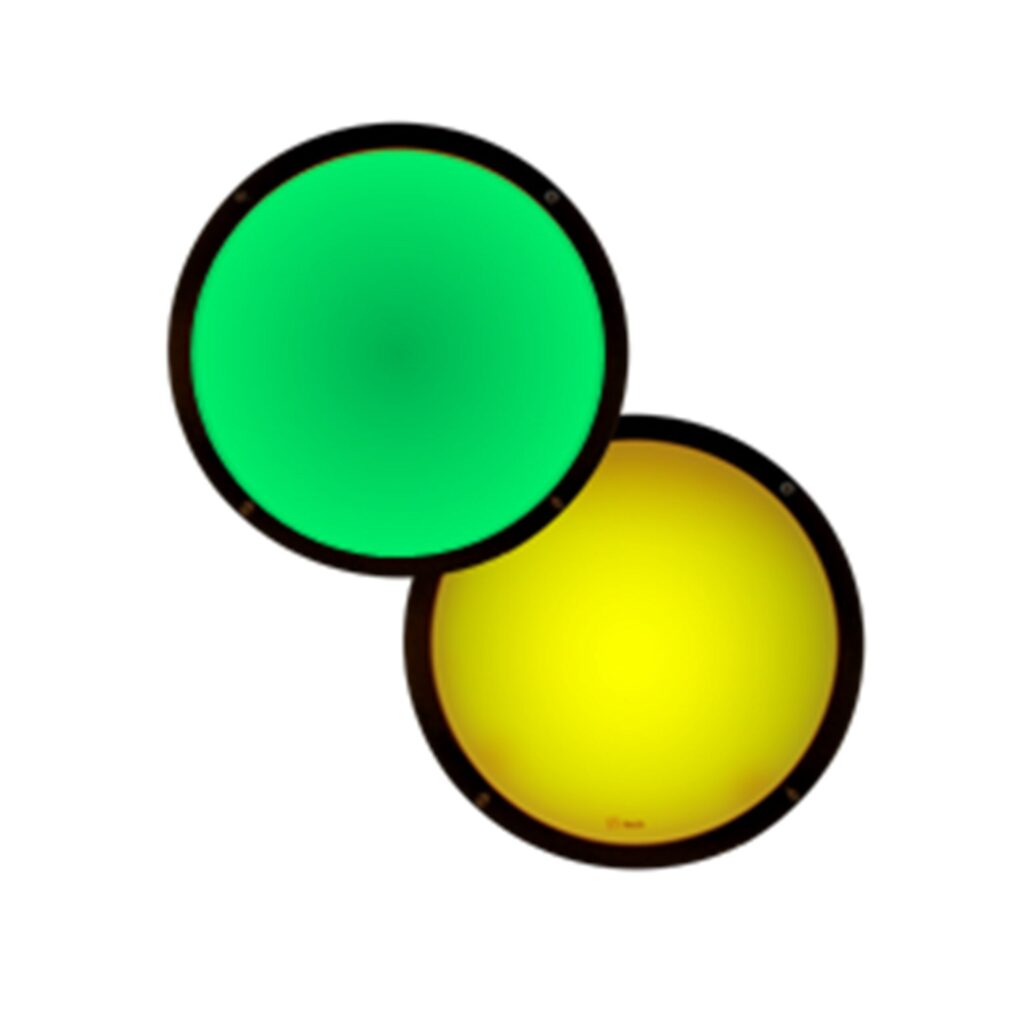
- Amber LED lighting attracts the fewest insects, as the longer wavelengths are least visible to them.
- Warm white (2700K to 3000K) is the next best option and suits most commercial applications.
- Cool white (5000K and above) attracts the most insects because of its higher blue content.
- Ultraviolet LEDs attract insects deliberately and are used in equipment such as insect traps, so they should never be specified where the goal is to reduce insect activity.
One caveat applies. A warmer or amber source will attract fewer insects, but lighting alone will not eliminate them. Mosquitoes in particular respond to heat, moisture and carbon dioxide as much as to light, so lighting choices work best alongside pest management, not as a replacement for it.
Commercial Applications Where Insect Attraction Matters
Insect attraction is more than a nuisance in many commercial settings, affecting hygiene, compliance and customer experience, so it belongs in the conversation at the specification stage. It matters most in:
- Hospitality and food processing venues – outdoor dining, commercial kitchens and food handling areas, where insects are both a comfort and a hygiene issue.
- Agriculture and warehousing – packing sheds and sites with doors open at night, where light spill from inside draws insects towards the opening.
- Outdoor security lighting – entrances and car parks, where bright cool white near doorways concentrates insects exactly where people pass through.
Matching colour temperature and fixture placement to the setting reduces the insect load without sacrificing the light levels each space needs.
How To Specify Low Insect Lighting
Specifying insect friendly lighting comes down to a few decisions that work together:
- Choose a warm colour temperature, generally 3000K or lower, for areas where insects are a concern, or amber LED lighting for the most sensitive locations.
- Control brightness to the level required rather than over-lighting, since higher output attracts more insects.
- Use shielded fixtures and manage light spill so light is directed where it is needed rather than broadcast towards doorways and open areas.
- Position brighter fixtures away from entrances so insects are not drawn to the points people use.
Bug free LED lighting is rarely a single product. It is the combination of the right colour temperature, controlled output and considered placement that delivers the result.
Why Choose S-tech For Low Insect LED Products
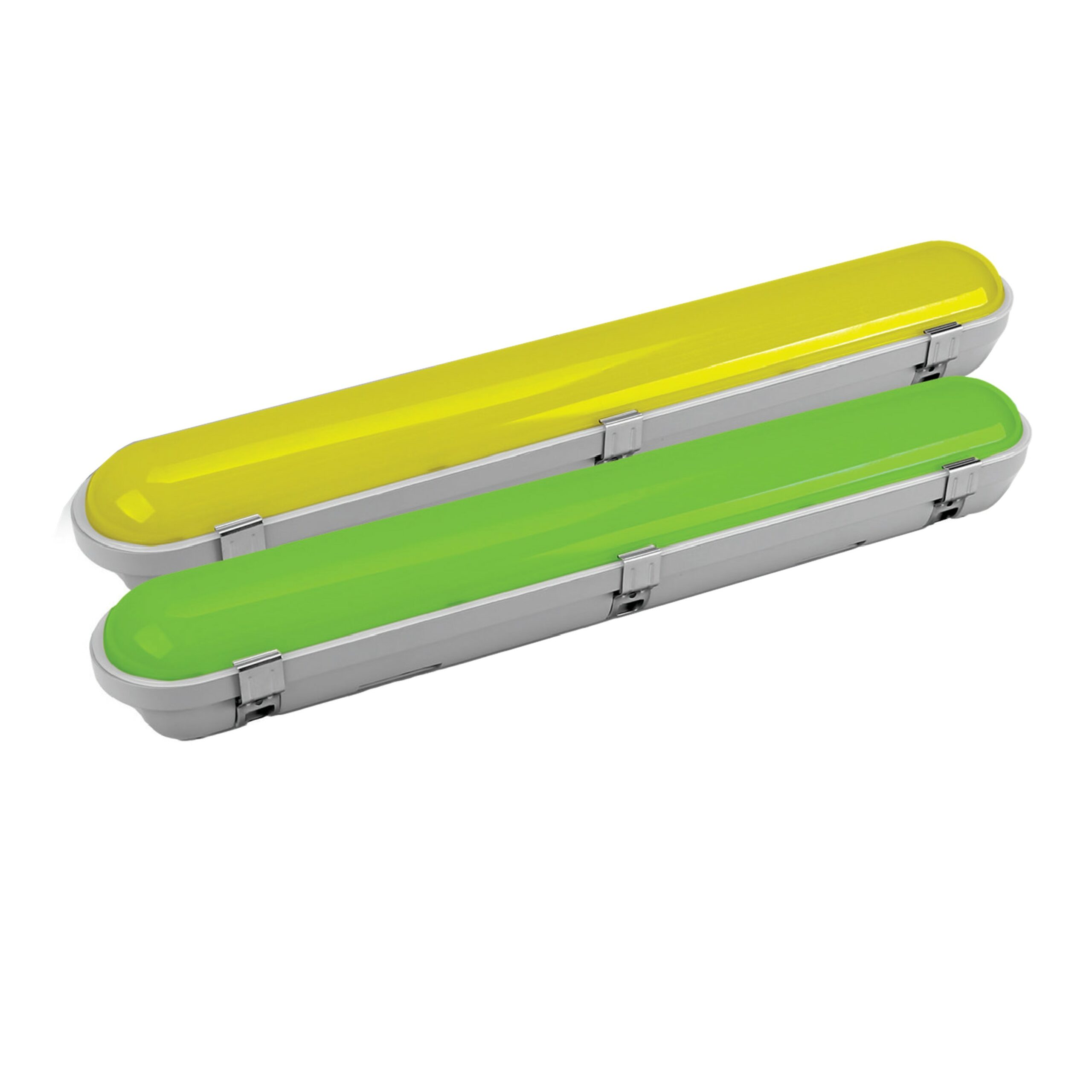
As Australian leaders in LED technology, S-tech supplies commercial-grade LED lights suited to the conditions and applications found across Australian sites. The range includes warm colour temperature options and specialised low insect lighting for settings where insect attraction has to be managed, from hospitality and food handling venues to outdoor and security applications.
S-tech products are reliable, energy efficient LED lighting solutions that help sites reduce insect activity while keeping running costs and maintenance low. With extensive experience in the Australian market, S-tech can match the right colour temperature, output and fixture type to the demands of each project.
Frequently Asked Questions
Do LED lights attract more insects than other bulbs?
No, LED lights generally attract fewer insects than incandescent, halogen or fluorescent lighting. Most LEDs emit little ultraviolet light and run cooler, both of which reduce insect attraction. The exception is ultraviolet LEDs, which are designed to attract insects.
What colour temperature attracts the fewest insects?
Warmer colour temperatures attract the fewest insects, generally 3000K and below. Cool white light of 5000K and above contains more blue light, which insects are strongly drawn to. For the lowest insect attraction, amber lighting performs best of all.
Does warm white lighting reduce insect attraction?
Yes, warm white attracts fewer insects than cool white because it contains less blue light. Choosing 3000K or lower is one of the simplest ways to reduce insect activity around a fixture. It does not eliminate insects entirely, but it makes a clear difference.
Can commercial lighting stop insects completely?
No, lighting can significantly reduce insect attraction but cannot eliminate insects on its own. Some insects, such as mosquitoes, also respond to heat, moisture and carbon dioxide. The best results combine low insect lighting with pest management.
Which industries benefit most from low insect lighting?
Hospitality and food processing venues benefit most, as insect control affects both hygiene and customer experience. Agriculture, warehousing and outdoor security lighting also gain from reduced insect activity.