
Emergency lighting is one of those building systems that gets ignored until it is needed. And when it is needed, it really is needed. A power outage during an evacuation is not the time to discover a battery has failed or a fitting has been faulty for months.
Beyond the safety obligation, emergency lighting maintenance is a legal requirement in Australia. Buildings that fail to meet building safety requirements are exposed to compliance risk, insurance issues and serious liability if something goes wrong.
What Is Emergency Lighting & Why Does It Need Maintaining?
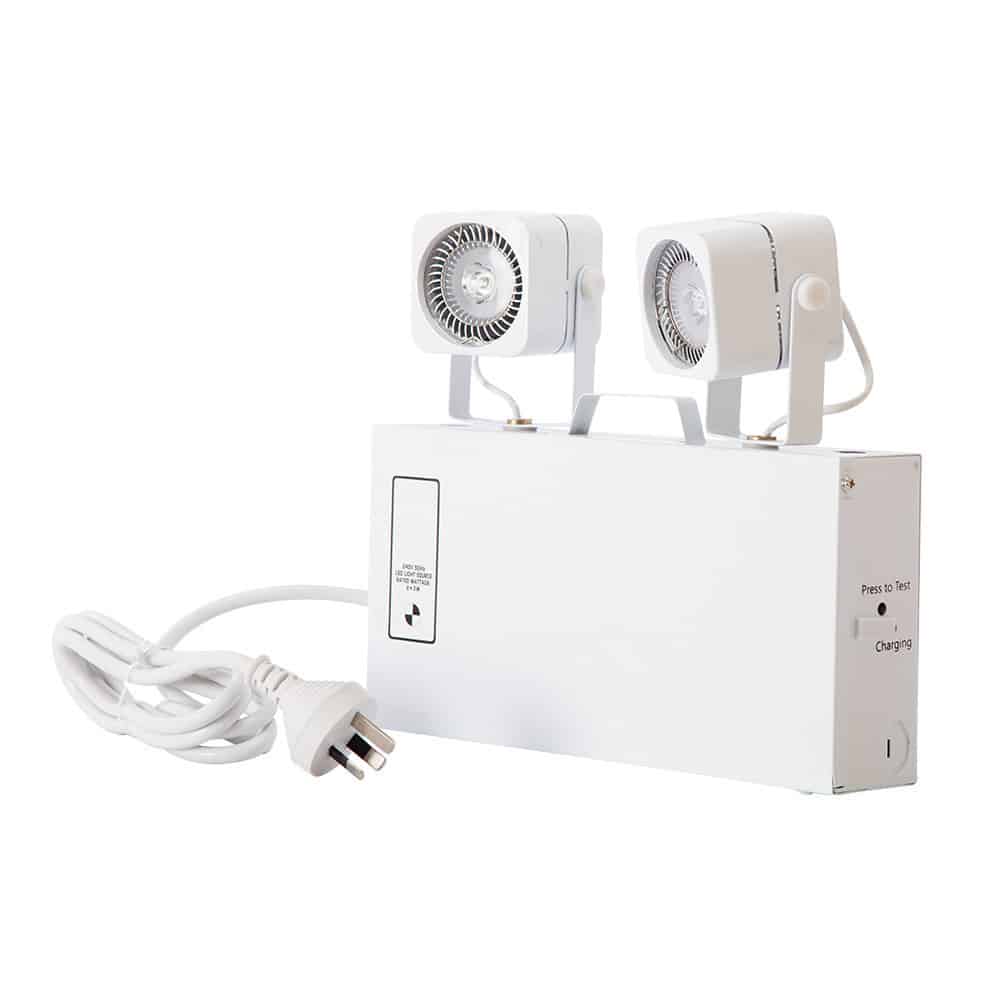
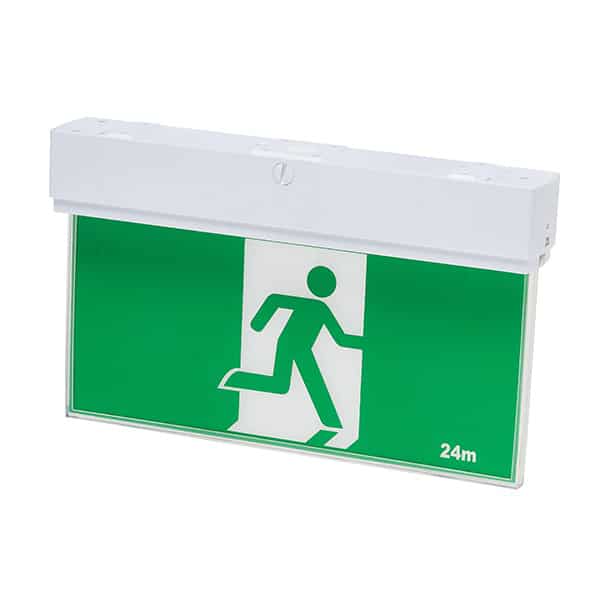
Emergency lighting keeps people safe when the normal power supply fails. It illuminates evacuation routes, emergency exit signs, stairwells and other critical areas so occupants can exit a building safely in the dark. Without it, backup lighting simply does not exist when it is needed most.
In Australia, emergency lighting regulations fall under AS/NZS 2293, which sets out the requirements for installation, operation and maintenance of evacuation lighting and exit lighting systems in commercial and public buildings. Without regular maintenance, batteries degrade, lamps fail and faults go undetected. The only way to know a system will perform when it counts is to test and service it on a regular schedule.
Maintained vs Non-Maintained Emergency Lighting
Maintained emergency lighting operates continuously regardless of whether mains power is present. These fittings are always illuminated and switch to battery backup if the mains supply fails. They are commonly used in cinemas, public venues and any space where people occupy low-light conditions during normal operation.
Non-maintained emergency lighting only activates when mains power fails. Under normal conditions the fitting is off. These are more common in offices, warehouses and retail spaces.
Both types have similar maintenance requirements, but non-maintained mode fittings must be tested by simulating a power failure to confirm they activate correctly. Maintained mode fittings can be visually checked during normal operation.
Emergency Lighting Maintenance Checklist
A compliant maintenance programme covers three levels of lighting inspection:
Monthly
- Visual inspection of all fittings for damage or obstruction
- Check fault indicators. A lit indicator means the fitting needs attention
- Short functional test using the test button
- Record results in the maintenance log
Six-monthly
- Full discharge test: simulate a mains failure and run fittings on battery for the full rated duration
- Confirm all fittings activate and hold charge for the required emergency lighting duration
- Record any fittings that fail or underperform
Annually
- Full inspection of fittings, wiring and battery condition
- Replace batteries approaching end of life
- Review evacuation route signage against current building layout
- Update the maintenance register to meet electrical compliance requirements
How to Test Emergency Lights
Most fittings have a test button that simulates a mains failure and forces the fitting onto battery power. For monthly checks, pressing and holding the button confirms the fitting activates and illuminates. For six-monthly testing, the full circuit needs to be isolated so all fittings run on battery for the complete rated duration, typically 90 minutes for most commercial applications.
Many modern self-testing lights run automatic tests on a programmed schedule and flag faults via indicator lights. These simplify compliance management but still require periodic physical inspection and battery replacement.
All test results must be recorded in the building’s emergency lighting maintenance register.
Emergency Lighting Common Faults
The most common faults to look out for:
- Battery failure: The most frequent cause of emergency lighting failure. Batteries typically last four to five years and degrade over time regardless of use. Regular discharge testing is the only reliable way to catch a failing battery early
- Lamp failure: Monthly visual checks should confirm all lamps are operational. A dead lamp provides no illumination during an evacuation
- Lit fault indicators: A fault indicator means the fitting is not compliant and needs immediate attention
- Physical damage or obstruction: Fittings covered, damaged or obscured after a fitout will not do their job. Check placement and visibility after any building reconfiguration
Who Is Responsible for Emergency Lighting Maintenance?
The building owner carries the primary legal responsibility for emergency lighting compliance. In practice this is often delegated to a facility manager, with licensed electricians engaged for testing, servicing and any electrical work.
All maintenance must be documented in the emergency lighting register, which is a legal record available for inspection by building certifiers, fire safety authorities and insurers.
Why Choose S-tech for Emergency Lighting
S-tech is one of Australia’s leading LED technology suppliers, providing emergency and evacuation lighting solutions for commercial, industrial and public buildings nationwide.
Emergency lighting products in the S-tech range are designed to meet AS/NZS 2293 requirements, with reliable battery backup, clear fault indication and self-testing options that simplify ongoing electrical compliance. With over 20 years of experience in the Australian LED lighting market, S-tech supplies the trade-grade emergency lighting solutions that contractors and facility managers can depend on.
Frequently Asked Questions
What is the difference between maintained and non-maintained emergency lighting?
Maintained lights operate continuously and stay on whether mains power is present or not. Non-maintained lights only activate when mains power fails. Maintained fittings are used in venues where people occupy spaces in low-light conditions, while non-maintained are standard in offices, warehouses and commercial buildings.
How often should emergency lights be tested?
Under AS/NZS 2293, emergency lights require a monthly visual inspection and functional test, a full discharge test every six months and a comprehensive annual inspection. All results must be recorded in the maintenance register.
How long do emergency light batteries last?
Most emergency light batteries last four to five years under normal conditions. High ambient temperatures, frequent discharges and lower quality components can shorten this. Replace batteries proactively when they approach end of life rather than waiting for a test failure.
Who is responsible for emergency lighting maintenance?
The building owner carries the primary legal responsibility, typically delegated to a facility manager. Licensed electricians must carry out any electrical work including battery and lamp replacement.
What are the most common emergency lighting faults?
Battery failure is the most common, followed by lamp failure, lit fault indicators and physical damage or obstruction to fittings. Monthly inspections and six-monthly discharge testing are the most reliable way to catch these early.
How long should emergency lights last in a power outage?
Under AS/NZS 2293, most commercial emergency lighting must operate for a minimum of 90 minutes following a mains failure. This must be confirmed through regular discharge testing.